A homeowner called me because their EV charger had stopped working. When I opened the meter cabinet, I noticed a strong smell of overheated electrical components. I isolated the power before investigating further.
The fault was in the electrical equipment supplying the charger. Water had entered the enclosure and damaged components inside it. The charger had stopped working, but the smell showed that I needed to check the supply and its protection before restoring power.
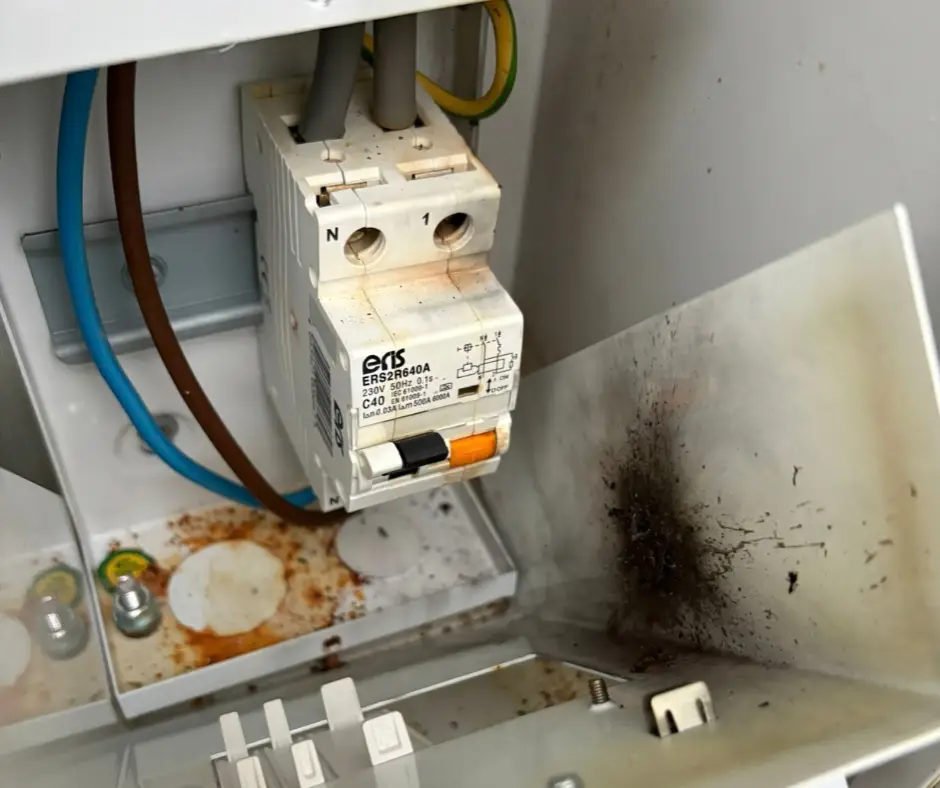
Where the water entered
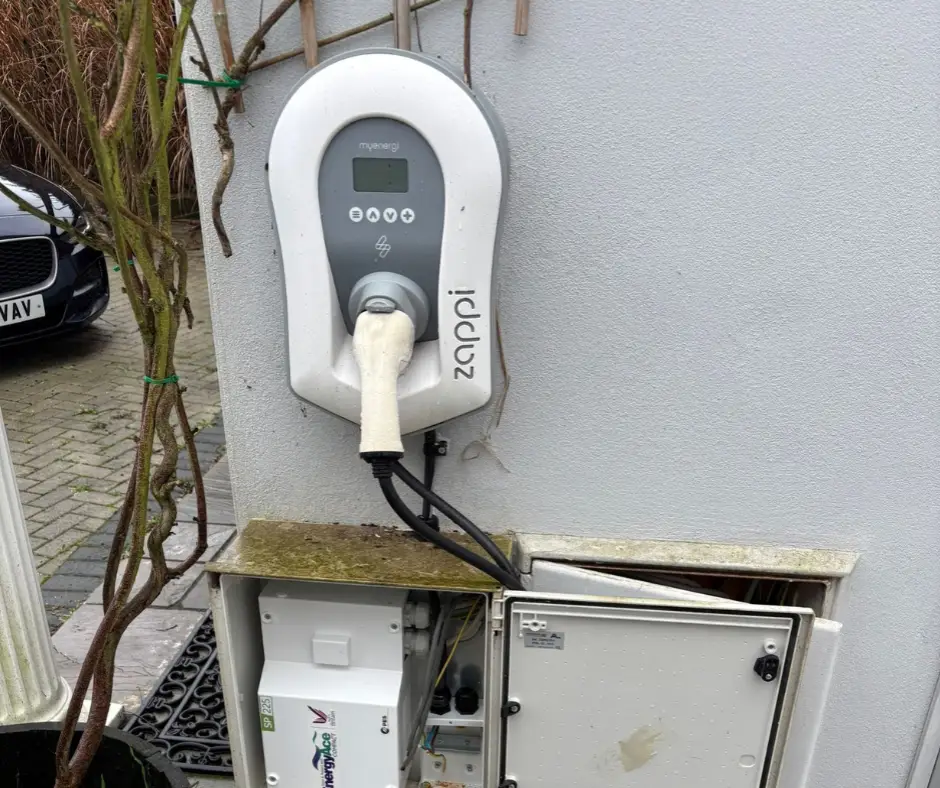
The enclosure had an IP rating, which indicates its level of protection against dust and water when installed correctly. In this case, a cable gland had been fitted at the top of the meter cabinet. The meter tails and EV supply cable also entered from above.
Moisture had tracked down the cables and into the enclosure. The entry points had left the equipment exposed despite the enclosure’s rating.
This is why an electrician needs to consider the whole installation. The enclosure, cable entries and seals must work together to keep water away from electrical connections. An IP rating on its own cannot account for a poorly placed or poorly sealed opening.
What else needed attention
The charger supply was protected by an RCD, but the protection arrangement needed upgrading. I also found that surge protection had not been fitted.
These devices deal with different problems. An RCD responds to certain electrical faults. An RCBO combines RCD protection with protection against overload and short circuits. A surge protection device helps protect equipment from sudden voltage surges. Adding surge protection was part of the remedial work, but its absence did not cause the water damage.
Source: IET, Consumer units and protective devices FAQsThe immediate concern was the damage inside the enclosure. Water and electrical connections are a dangerous combination, particularly where there are signs of overheating. Replacing the damaged parts without addressing how water entered would have left the underlying problem in place.
The repair
The cable entered the meter cabinet from above through an existing hole, so the cabinet’s IP rating was already compromised. I upgraded the cable gland to one with a better IP rating and applied a layer of silicone around the existing entry point. It was not the ideal solution, but with the hole already in the top of the cabinet, it was the best way to reduce the chance of water getting in at that point.
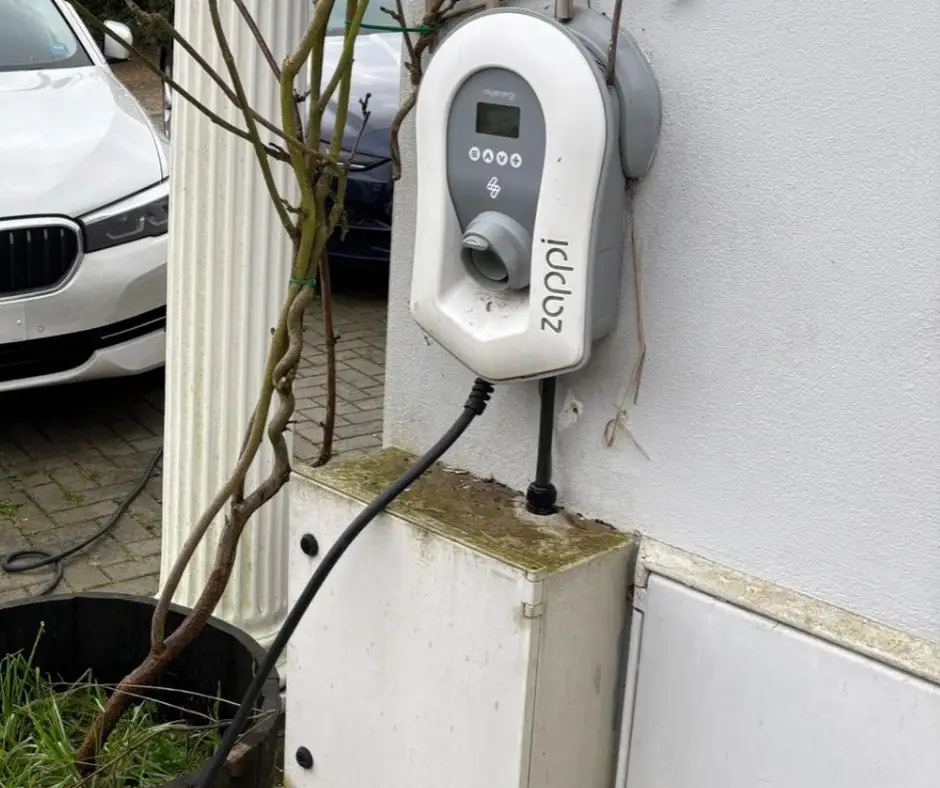
To give the electrical connections further protection, I replaced the internal enclosure with an IP-rated enclosure, with the cable entering from the bottom of the unit. I replaced the damaged cabling and made new connections. I also fitted a double pole RCBO and surge protection.
Once the repair was complete, I tested the installation and commissioned the charger. The car was back on charge within two hours.
What this case shows
A charger can appear to have failed when the problem lies elsewhere in its electrical supply. In this case, checking the meter cabinet revealed water damage and signs of overheating that would not have been apparent from looking at the charger alone.
It also shows why small installation details matter. A cable entry may look secure from outside, yet still give water a route towards electrical connections. The position of the entry, the gland and the seal all need to suit the location.
If your charger stops working, trips repeatedly or there is a burning smell near the meter cabinet, stop using it and arrange an inspection by a qualified electrician. Avoid repeatedly resetting the circuit until the cause is known.
If you are having a charger fitted, ask how the electrician will protect the supply equipment from water, particularly if any part of it is in or near an outside meter cabinet. You can also ask what circuit protection they plan to fit and what testing they will carry out before handing over the charger.
Get in touch to discuss your EV charger needs
Bring it Ohm Electrical Solutions can inspect an existing EV charger installation or help with a new one.